Services · Chapter VI
Websites for spin-outs, labs and science companies
Oxford produces a steady stream of university spin-outs. Most of them need a website that explains difficult work simply, quickly and without overclaiming.
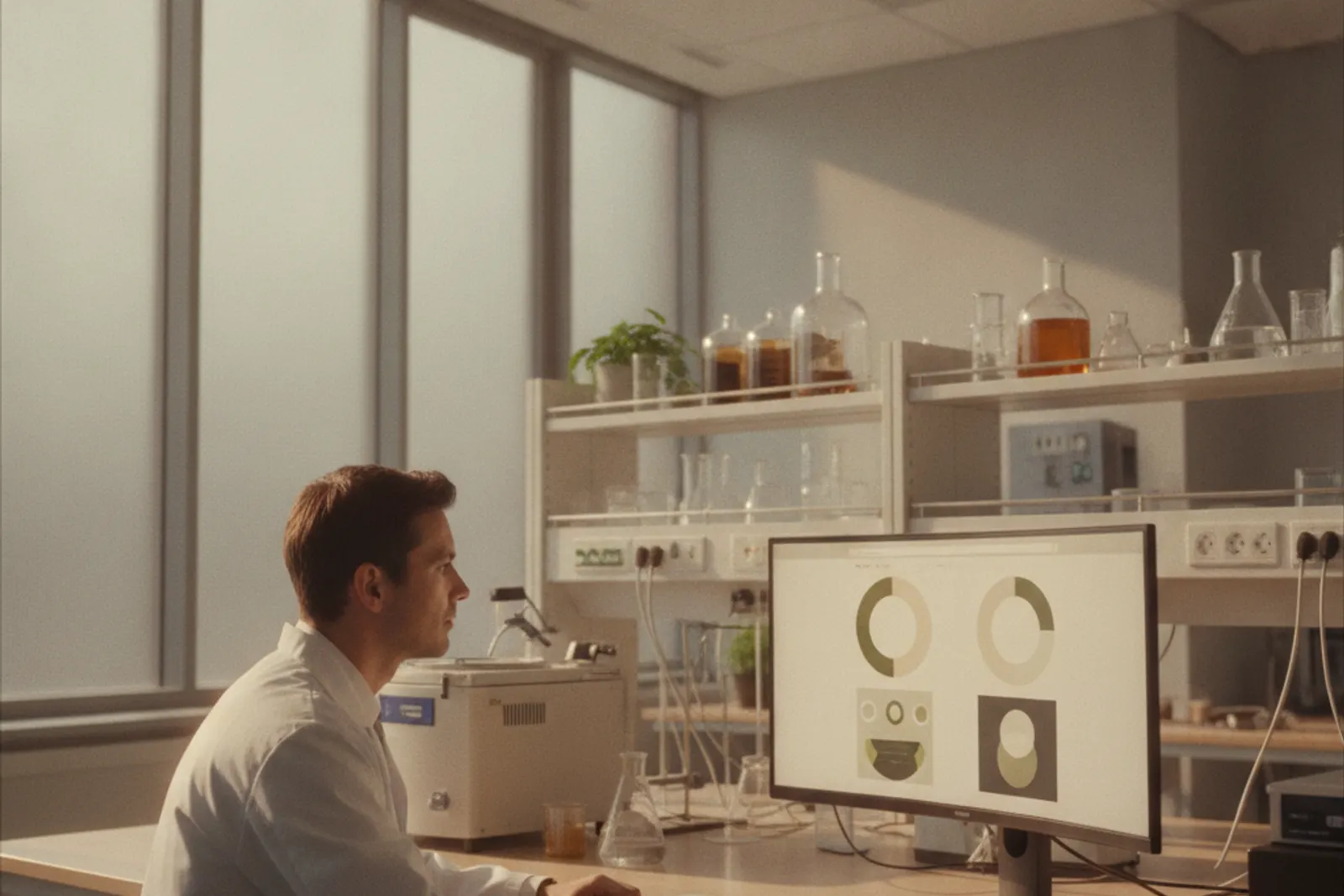
The Oxford area has one of the densest clusters of research-led companies in Europe. Spin-outs from the university's departments settle at Oxford Science Park, owned by Magdalen College, or at Begbroke Science Park, owned by the university, north of the city. Larger research organisations and start-ups work at the Harwell Science and Innovation Campus near Didcot, alongside national facilities such as the Diamond Light Source synchrotron. Milton Park adds many more companies.
These businesses have a particular website problem. Their work is complex, their audience is mixed, and early on they rarely have a marketing team. A generic web design agency tends to produce either a glossy brochure that says nothing, or a page so technical only the founders can read it.
Who this is for
- Pre-seed and seed spin-outs moving off a department web page for the first time.
- Series A and growth companies whose first site no longer reflects what they do.
- Platform and tools companies selling to other scientists: instruments, software, reagents, services.
- Research groups and centres that need a public-facing site separate from a departmental template.
- Space, energy and quantum firms at Harwell writing for agencies, partners and specialist recruits.
Who reads a spin-out website
| Reader | What they want in the first minute | Pages that serve them |
|---|---|---|
| Investors | The problem, the market, the team, signs of momentum | Home, technology, team, news |
| Commercial partners | Enough technical evidence to justify a call | Platform, applications, publications |
| Candidates | What the work is like and who they would work with | Careers, team, news |
| Grant panels and press | A short, accurate description they can quote | About, press page |
We plan the structure so each reader finds their route within the first screen, without dumbing anything down.
What is included, step by step
- Founder interview. A long call, usually with the CEO and the lead scientist, plus your deck, key papers and any grant summaries.
- Audience and page plan. Which readers matter most at your stage, and the minimum set of pages that serves them.
- Layered copy. A plain summary, a main explanation and a technical layer for each core page, drafted by us.
- Technical review. Every page goes back to your scientists. We track changes so nothing is lost between rounds.
- Design. A restrained visual identity that can carry diagrams, microscopy and data figures without looking like a stock template.
- Build on a content management system, with templates for news, people, publications and vacancies.
- Launch, with your own domain, analytics and structured data so search engines describe the company correctly.
- Handover, including a short guide for whoever on the team will post news and vacancies.
Regulated sectors. For diagnostics, medicines and medical devices, the website is promotional material. We keep claims within what your evidence supports, avoid efficacy language your regulatory lead has not approved, and leave a clear review trail.
How long it takes
A seed-stage site of five to seven pages typically takes four to eight weeks, and the main variable is review time from busy scientists. Larger sites with product, pipeline and investor sections take longer, usually eight to fourteen weeks. If a funding round is approaching, tell us the date early; we can phase the work so a credible core is live first.
What drives the cost
- How much of the copy we write. Turning papers into clear web copy is the most valuable and most time-consuming part.
- Diagrams. A custom schematic of your platform often does more than any photograph, but it is design work in its own right.
- Photography. Real photos of your team and lab are worth arranging; we write the brief.
- Integrations with applicant tracking systems, CRMs or investor portals.
- Number of page types, such as pipeline, publications and product pages, each needing its own template.
Common mistakes
- Staying on the department page too long, which blurs the line between university research and the company.
- Overclaiming: cures, revolutions and market sizes the evidence does not support.
- Under-explaining: so many caveats the reader cannot tell what the company does.
- Stock DNA helices and glowing networks instead of real photographs and honest diagrams.
- An abandoned news page, which suggests a stalled company.
- No careers page, when recruitment is often the hardest problem a young company faces.
How we measure it
At launch we agree a few practical signals: whether investors and candidates mention the site in meetings, how many careers page visits lead to applications, how often partners use the contact form, and whether search engines show an accurate description of the company. We set up analytics to track these and review them with you after three months. We do not promise traffic numbers.
Search and how scientists find you
Technical buyers and candidates search in precise terms: a technique, a target, a material, an instrument. Generic marketing phrases rarely match those searches. Pages written in the language your field actually uses, with clear headings, structured data describing the organisation and its people, and links to publications, are far more likely to be found by the right reader. We also make sure your company name, founders and description are consistent across the site, Companies House and LinkedIn, which helps search engines and AI tools describe you correctly.
Moving from seed to scale-up
The first site is rarely the last. As you hire a commercial team, products approach market and investor relations become more formal, the site needs new sections: product pages, case studies, regulatory information, a press kit. We design the first version on a structure that can absorb those additions, so the next stage is an extension rather than a rebuild.
Writing about science honestly
The most common fault on technical websites is either impenetrable jargon or breathless claims. We aim for the middle: a plain statement of the problem, a clear explanation of the approach, and evidence linked to its source. Our website copywriting approach applies here in full, and the first-site checklist in our journal is a useful starting point before you talk to anyone.
Where our clients work
Oxford Science Park, Begbroke Science Park, the Harwell Campus, Milton Park, and the incubators and shared labs around the city.
Readers
Investors skim. Partners look for evidence. Candidates look for culture and the team. The page structure serves all three.
Questions people ask
We have no product yet. Do we need a website?
Usually yes, even a small one. Investors, grant panels and candidates will look you up. A clear four or five page site that explains the problem, the approach and the team is often enough at seed stage.
Can you explain our science without errors?
We work from your papers, decks and a long call with the founders, then send every page back for technical review. Nothing goes live until your scientists are happy with the wording.
Can the site grow with us?
Yes. We build on a CMS with room for news, publications, vacancies and pipeline pages, so you can add them when you need them.
Can we mention the university?
Spin-outs usually have specific terms about how they may refer to the university and use its name. We work within whatever your agreement allows and never use crests or logos without permission.
We are in a regulated sector. Is that a problem?
No, but it shapes the copy. For diagnostics, medicines and devices we keep claims to what the evidence supports and build in a review step for your regulatory lead.