Journal · 20 May 2026
Better websites for Oxfordshire engineering firms
Engineering firms are often brilliant at the work and shy about describing it. Their websites tend to show it. A few changes can make a big difference.
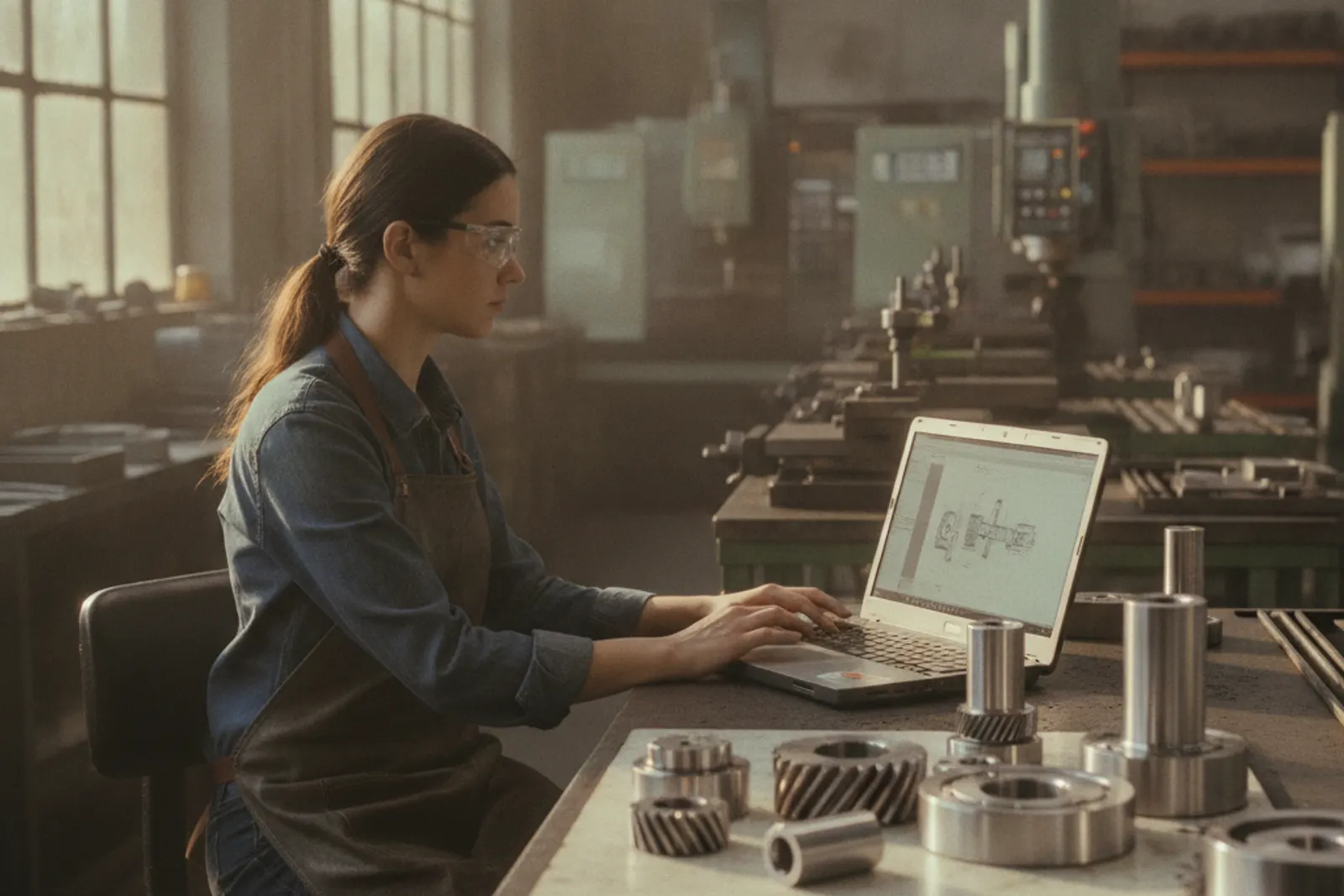
Oxfordshire has a strong engineering and manufacturing base. Car production at Cowley goes back more than a century, and today the MINI plant is surrounded by suppliers and service companies. There are motorsport and performance engineering firms across the north of the county, specialist restorers at Bicester Motion, precision engineering businesses on industrial estates from Witney to Didcot, and scientific instrument makers serving the science parks.
Many of these companies have websites that are years old. They were built when most work came through existing relationships and trade shows, and they have been left alone because the phone kept ringing. But buyers have changed. Procurement teams, engineers and new customers now research suppliers online before they make contact, and recruits look closely at a company's website before applying. A dated site can quietly cost a business work and staff.
What buyers are looking for
When an engineer or buyer lands on a supplier's website, they are usually trying to answer one question: can this company do what I need? To answer it, they look for:
- Capabilities in specific terms. Processes, machines, materials, tolerances, part sizes and batch volumes.
- Quality and approvals. Certifications such as ISO 9001 or AS9100, where you hold them, and how quality is controlled.
- Sectors served. Evidence that you understand their industry's requirements.
- Examples of work. Photographs and short descriptions of real parts or projects.
- How to start. A clear route to send a drawing or request a quote.
Most dated engineering websites have a generic paragraph about quality and service, a stock photograph of a machine and a phone number. That is not enough for a buyer who is comparing suppliers.
Write capability pages that are genuinely useful
The most valuable pages on an engineering website are usually capability pages: one for each main process or service. A good capability page includes:
- A short description of the process and what it is suited to.
- The equipment you use, with relevant specifications.
- The materials you commonly work with.
- Size, tolerance and volume ranges.
- Photographs of real work, with permission where a customer's part is shown.
- Related services and finishing options.
- A prompt to send a drawing or enquiry.
These pages are also what search engines need. Specific terms, such as five-axis machining of aluminium aerospace components, match the precise searches engineers make.
Show work without breaking confidentiality
Engineering firms often work under non-disclosure agreements and cannot name customers. That does not mean the website must be empty. You can describe projects by sector and problem: a bracket redesigned for weight reduction for an automotive supplier, or a small batch of prototype housings for a medical device start-up. Photographs can show processes and generic parts. The aim is to show competence and range without revealing anything you should not.
Use the website to recruit
Recruitment is one of the biggest challenges for engineering firms. Skilled machinists, technicians and engineers are in demand across the county, and they have choices. Your website can help by showing what it is like to work for you:
- Real photographs of your workshop and team.
- A description of the work, the equipment and the training you offer.
- Information about apprenticeships, if you run them.
- Current vacancies, with a simple way to apply.
Make the quote process easy
Many buyers want to send a drawing and get a price. Make this as simple as possible with a quote form that accepts file uploads in common formats, asks for quantity and lead time, and confirms receipt. Then make sure enquiries reach someone who will respond quickly, because the competitor down the road may also have received the same drawing.
Photography that does the work justice
Engineering businesses often have impressive workshops, but their websites show none of it. A morning with a decent photographer, or even a careful afternoon with a good phone, can produce a set of images that changes how the whole site feels: machines in use, parts being inspected, the team at work, the finished components laid out on a bench. Clean the area first, use natural light where possible and avoid anything confidential in the background. These photographs will serve the website, LinkedIn, trade show stands and recruitment adverts for years.
Keep it current
An engineering website does not need constant updates, but it should never look abandoned. Add new equipment when you buy it, update the approvals page when certifications change, post occasional news about projects, apprentices or investments. A copyright date from five years ago is a small thing, but buyers notice it.
What a buyer's visit looks like
Picture a mechanical engineer at a medical device start-up on one of the science parks. She needs a small batch of machined housings in a medical-grade plastic, quickly. She searches, opens four supplier websites in tabs and spends perhaps a minute on each.
On the first, the home page talks about "quality, service and value" and shows a stock image. She closes it. The second lists machines but not materials. The third has a clear page on CNC machining of plastics, a note on batch sizes, photographs of similar parts and a form that accepts a STEP file. She sends her drawing there.
The fourth supplier might have been the best fit. She never found out.
A one-page capability checklist
Use this to review your own site, page by page.
| Item | Present? | Notes |
|---|---|---|
| Process described in plain terms | ||
| Machines or equipment listed | ||
| Materials you work with | ||
| Size, tolerance and batch ranges | ||
| Approvals and quality system | ||
| Sectors served, with anonymised examples | ||
| Real photographs | ||
| Quote form with file upload | ||
| Named response time you can keep | ||
| Link to careers |
If more than three rows are blank, the page is probably losing enquiries.
Confidentiality first. Before publishing any photograph of a part, check your customer agreements. Many prohibit showing parts or naming the customer. Generic test pieces and photographs of your processes are a safe alternative.
Measuring whether it works
You do not need complex analytics to know whether the website is pulling its weight. Track three things each month: the number of quote requests that arrive through the site, how many of those come with a drawing attached, and how many job applicants say they looked at the site first. Ask new customers how they found you and note the answer. After six months you will know which pages earn their place and which need work, and you can direct the next round of effort accordingly.
Start small if you need to
A full rebuild is not always necessary. Sometimes rewriting the home page, adding three or four good capability pages and improving the quote form makes most of the difference. We are always happy to suggest which changes would help most for the budget available. If your site is due an overhaul, our website redesign service protects the pages that already bring in enquiries, and our copywriting service can turn workshop knowledge into capability pages. Firms around Cowley and Bicester make up a good share of this kind of work, and you can see how we approach it in our case studies.